
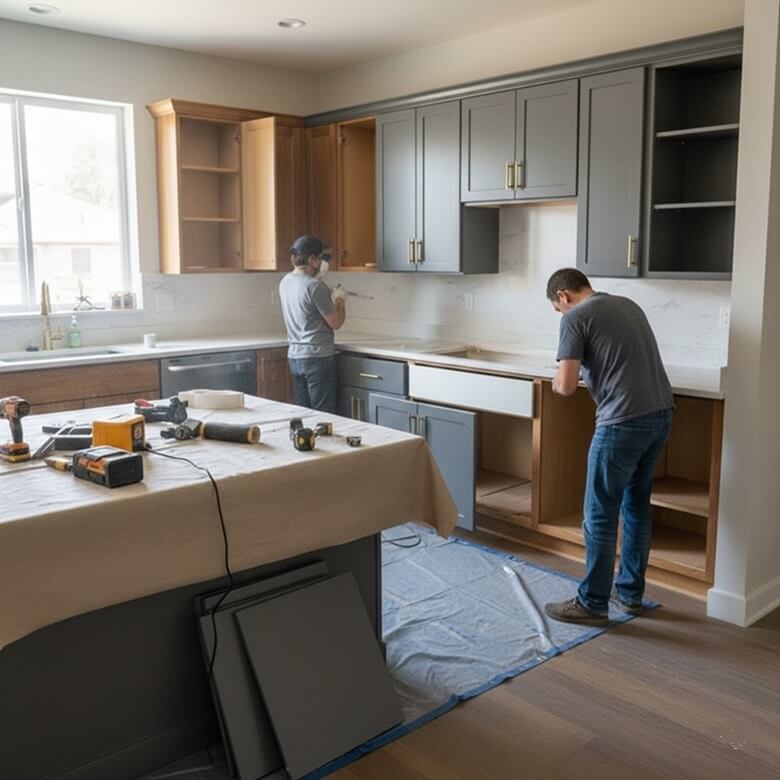
In many Encinitas, CA homes, the kitchen serves as both a functional workspace and a lively gathering spot for family and friends. Yet, as trends shift and materials age, homeowners often face a difficult choice – live with outdated cabinetry or invest in a full renovation. In Encinitas Kitchen Cabinet Refacing Service provides a smarter middle ground.
GET IN TOUCH
💬 Connect with a remodel expert in seconds!
Instead of tearing everything out, it revitalizes what’s already solid. The structure stays, but the surfaces, textures, and details change completely. For homeowners who love their current layout but crave a fresh, modern feel, this approach saves both time and unnecessary cost.
Over the years, countless households have discovered how refacing can completely redefine a kitchen’s character. The result isn’t just visual – it changes how the space looks, flows, and performs in everyday use. It’s a brilliant way to revive your kitchen without starting over.
What Encinitas Kitchen Cabinet Refacing Service Really Means?
Beyond just “New Doors”. Refacing is often misunderstood as a superficial touch-up. In practice, it’s a detailed craftsmanship process that combines design, precision, and material knowledge.
It can involve:
- Careful removal: of old doors, drawer fronts and hardware.
- Surface preparation: to ensure perfect adhesion of veneers or laminates.
- Application of new finishes: from real wood veneers to thermofoil wraps (a durable PVC vinyl material for a smooth surface) or matte laminates (printed or textured surfaces designed to resist fingerprints).
- Installation of updated hardware: like soft-close hinges, concealed slides and modern handles.
What makes this process transformative is attention to alignment, edge detail, and proportion. A small gap or misaligned hinge can compromise an otherwise flawless finish. Professional refacing requires the precision of a mill worker and the design sensibility of a remodeler.

When Cabinet Refacing Makes Sense
(And When Doesn’t)
Experienced remodelers know that not every kitchen qualifies for refacing. The existing cabinet boxes must be structurally sound – made of plywood or MDF panels in good condition.
Refacing is ideal when:
- The layout works, and you’re satisfied with cabinet placement.
- The boxes are sturdy, but finishes look worn or dated.
- You want to upgrade aesthetics quickly without the disruption of full demolition.
It’s not recommended to refacing:
If the cabinets show water damage, mold, or weak joints. In such cases, replacement is the more responsible choice. An expert assessment can help identify whether refacing is the right path or if hybrid work (partial replacement plus refacing) makes better sense.
What Homeowners Often Want to Change
After multiple visits to homes across Encinitas, certain homeowner requests appear again and again.
Their common motivations include:
- Outdated stain colors: (like honey oak or cherry red) that clash with modern interiors.
- Visible wear: scratches, peeling laminate, faded paint, or outdated hardware.
- Desire for a lighter coastal look: such as satin white, driftwood gray, or soft beige tones.
- Interest in sustainability: preserving existing materials rather than discarding them.
Homeowners typically want a look that feels both current and timeless – something that integrates with open-concept layouts, coastal light and modern appliances without feeling overly “trendy”.
Lessons From Refacing Local Kitchens
Every refacing project tells a story. In one Leucadia home, the challenge was updating high-quality oak cabinets without losing the warm character of the wood. By applying a light whitewashed veneer and new brushed-nickel handles, the space turned brighter while keeping its natural tone.
In another Encinitas home, a family wanted to modernize dark maple cabinetry but keep the existing granite counters. The solution was a satin lacquer finish in fog gray paired with matte black pulls -creating visual contrast while blending with their countertops seamlessly.
In Olivenhain, refacing helped a homeowner preparing to sell their property. Instead of a full remodel, they invested in new shaker-style doors, concealed hinges, and upgraded lighting. The result improved market value far beyond the refacing cost – a win for both aesthetics and return on investment.
These local examples highlight what we have learned: cabinet refacing isn’t just a cosmetic step, it’s a strategic decision that balances beauty, practicality, and long-term value.
Choosing the Right Materials
Material selection defines the durability and longevity of a refacing job. Contractors who’ve worked with various suppliers know how each finish performs over time, especially in coastal climates.
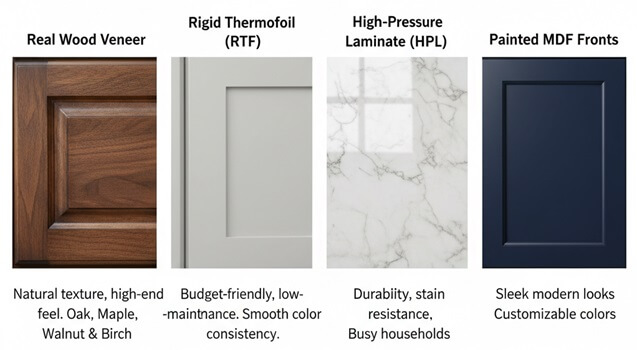
Popular material options include:
- Real Wood veneer: Ideal for homeowners who want natural texture and a high-end feel. Oak, maple, walnut and birch veneers remain top choices.
- Rigid Thermofoil (RTF): A budget-friendly, low-maintenance option with smooth color consistency.
- High-pressure laminate (HPL): Excellent for durability and stain resistance in busy households.
- Painted MDF fronts: Offer sleek modern looks with precise edges and customizable color choices.
Coastal humidity, sunlight exposure, and cooking heat can affect finishes differently. Experienced remodelers understand how to seal, ventilate and maintain these materials to ensure lasting performance.
Details that Elevate Reface From
“Good” to “Exceptional”
Refacing quality isn’t measured by material alone – it’s about craftsmanship.
Here’s what sets exceptional work apart:
- Seam alignment: Continuous grain direction across panels creates a seamless, furniture-grade look.
- Hardware integrity: High-grade hinges and slides ensure longevity far beyond off-the-shelf options.
- Edge finishing: Clean corners, even sheen and flush alignment reflect true attention to detail.
- Integrated upgrades: Pull-out trays, corner organizers, new drawer boxes can be added during refacing for functional lift.
Professional teams also focus on site management – protecting countertops, floors, and appliances during installation. The best refacing jobs look effortless because every step behind the scenes is methodical and clean.
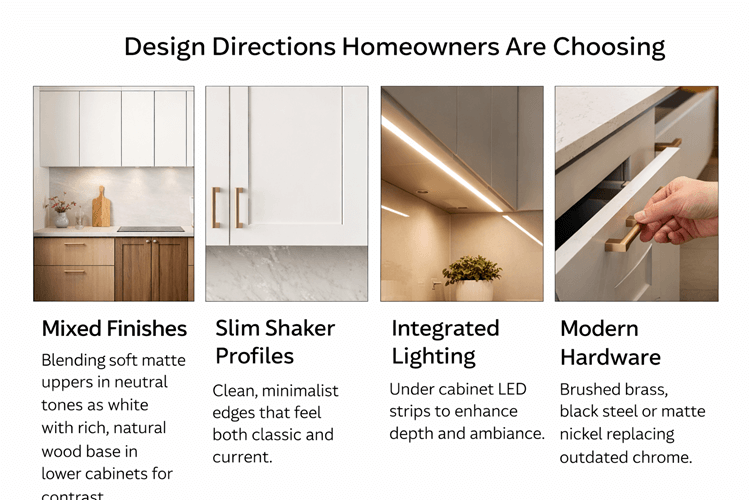
Design Directions Homeowners Are Choosing
Kitchen design in the region continues to lean toward natural tones and organic materials. Homeowners are start moving away from pure white kitchens toward muted earthy palettes – think warm taupe, sea foam and light oak.
Other emerging trends include:
- Mixed Finishes: Blending soft matte uppers in neutral tones as white with rich, natural wood base in lower cabinets for contrast.
- Slim shaker profiles: Clean, minimalist edges that feel both classic and current.
- Integrated lighting: Under cabinet LED strips to enhance depth and ambiance.
- Modern hardware: Brushed brass, black steel or matte nickel replacing outdated chrome.
These choices reflect a broader movement toward balance – spaces that feel bright but grounded, elegant yet practical.
The Process: How Professional Cabinet Refacing Is Done
A typical professional refacing project runs on a clear, structured workflow.
Step 1: Evaluation & Measurement
Inspect all cabinets, assess structural integrity, and document measurements for custom ordering.
Step 2: Preparation
Protect flooring and counters. Remove doors, drawers and hardware carefully.
Sand or clean surfaces for proper veneer bonding.
Step 3: Veneer or Finish Application
Apply adhesive veneers or spray finishes using controlled techniques for consistent texture. This is where experience and attention to detail make all the difference.
Step 4: Door & Hardware Installation
Install new cabinet doors, hinges, drawer fronts and handles. Adjust for perfect alignment and smooth function.
Step 5: Detailing & Inspection
Clean, seal and inspect every surface. Professional teams often use specialized lighting to detect imperfections before handover.
Average projects take between 3 and 6 days – a fraction of a full remodel timeline.
Durability, Maintenance and Longevity of Refaced Cabinets

Homeowners often ask, How long will my refaced cabinets last?
When executed with high-quality materials and professional craftsmanship, refaced cabinets can last 12–17 years with proper care.
Maintenance Tips:
- Wipe surfaces regularly with a soft, damp cloth.
- Steer clear of harsh chemicals – choose instead for gentle, PH-balanced cleaners.
- Maintain humidity control to protect veneer adhesion.
- Re-oil or re-lacquer wood finishes periodically if recommended.
With minimal effort, refaced cabinets continue to look new long after installation, maintaining that “fresh remodel” feeling.
Why Homeowners Choose Refacing Over Full Replacement?
Refacing brings practical benefits that resonate with many homeowners:
- Less Disruption: Kitchens remain usable during most of the process.
- Eco-Conscious choice: Reuses existing structures, reducing landfill waste.
- Cost Efficiency: Usually 40–50% less than full replacement.
- Custom Aesthetics: Achieves the same design freedom as new cabinetry.
For many families—especially those with solid, well-built cabinetry—refacing simply makes more sense than starting from scratch.
Exploring Your Kitchen’s Potential
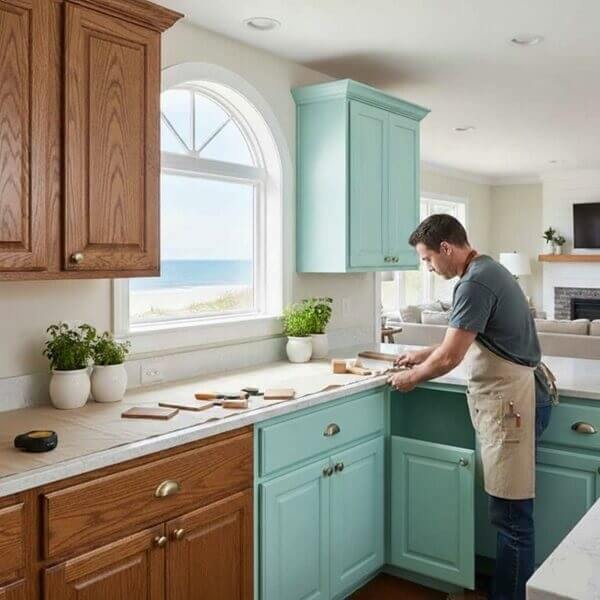
Every kitchen holds potential beyond what’s visible.
Whether the goal is to brighten a coastal cottage or refresh a family home’s heart, cabinet refacing offers a practical, design-focused path forward.
When guided by expertise and attention to detail, refacing turns everyday cabinetry into a tailored reflection of your home’s story—efficient, refined and built to last.
Homeowners ready to explore what their kitchen could become can begin with a professional assessment—a small step that often leads to remarkable transformations.
Let’s Connect
Do You Dream of Having the Perfect Kitchen?
Whether you’re planning a full remodel or just a few updates, our team in Encinitas is dedicated to transforming your space into something beautiful and functional. Reach out today – We’d love to transform your kitchen into a space where you can savor every meal and create lasting memories with your loved ones.
Company Info
Encinitas Kitchen Remodel
Modern Design | Trusted Resources
📞 (555) 555-5555
📍Service Areas: Encinitas, CA 92024 | Cardiff by the Sea | Leucadia | Olivenhain